ducane furnace troubleshooting guide
Ducane furnaces communicate issues via flashing LED lights, acting as error codes; This guide helps decode these signals, covering ignition issues, limit switch faults, and more.
Understanding Ducane Furnace Error Codes
Ducane furnaces, similar to brands like Lennox, utilize a system of flashing LED lights – both red and green – to signal diagnostic error codes. These aren’t random blinks; they’re a direct communication method from your furnace, indicating specific problems that require attention. Understanding this system is the first step towards effective troubleshooting and potentially avoiding costly service calls.
The LED’s behavior is crucial. A consistently lit LED generally signifies normal operation, while an LED that’s off suggests a lack of power or a control hardware fault. However, it’s the flashing patterns that reveal the core issue. The number of flashes, and in some cases, the color of the flashing light (green often indicating high heat demand), dictates the specific error.
These codes aren’t meant to be cryptic. They point towards common issues like flame presence when the gas valve is off, problems with the pressure switch, or potential ignition malfunctions. By carefully observing the flash pattern and referencing a Ducane furnace error code chart, you can pinpoint the source of the problem and begin the troubleshooting process.
Decoding Flashing LED Lights
Successfully interpreting your Ducane furnace’s flashing LED lights requires a systematic approach. First, observe the LED’s color – green flashes typically relate to high heat demand situations, while red flashes generally indicate broader system faults. Next, and most importantly, accurately count the number of flashes. This number is the key to unlocking the error code.
Don’t simply glance; count deliberately over several cycles to ensure accuracy. A “1 flash” code signifies a different problem than a “2 flash” code, and misinterpreting this number will lead you down the wrong troubleshooting path. Remember that the furnace is attempting to communicate a specific issue, and the flash count is its language.
Once you have the flash count, consult a Ducane furnace error code chart. These charts are readily available online and in furnace manuals. The chart will translate the number of flashes into a specific diagnostic message, such as “Flame Present with gas valve off” or “Pressure switch issue”. This message then guides your troubleshooting steps.
Common Ducane Furnace Error Codes ౼ 1 Flash
A “1 Flash” error code on your Ducane furnace typically indicates “Flame Present with gas valve off.” This seemingly contradictory message points to a few potential issues. The most common culprit is a dirty or failing flame sensor. This sensor verifies the presence of a flame, and if it’s coated in carbon buildup, it won’t register the flame correctly, causing the gas valve to shut off prematurely.
However, a “1 Flash” code can also suggest the gas valve is closing too slowly, preventing stable combustion. Less frequently, it might indicate a problem with the control board itself. Begin troubleshooting by carefully cleaning the flame sensor with fine steel wool or sandpaper. Ensure the furnace is powered off before attempting this!
If cleaning the sensor doesn’t resolve the issue, further investigation is needed. Check the gas valve operation and consider a professional inspection of the control board. Remember safety first – if you’re uncomfortable working with gas or electrical components, contact a qualified HVAC technician.
Common Ducane Furnace Error Codes ౼ 2 Flashes
A “2 Flashes” error code on a Ducane furnace signals a problem with the pressure switch. This switch verifies adequate airflow across the blower motor before allowing the gas valve to open. If the switch doesn’t detect sufficient airflow, it prevents gas from flowing, halting the heating process. Common causes include a clogged air filter, a blocked vent pipe, or a malfunctioning blower motor.
Start by replacing the air filter – a dirty filter is the most frequent offender. Next, inspect the vent pipe for any obstructions, such as bird nests or debris. If the filter is clean and the vent is clear, the issue may lie with the pressure switch itself or the blower motor. A faulty pressure switch may need replacement.
Carefully examine the blower motor for proper operation. If it’s not running or running weakly, it could be the source of the problem. Always disconnect power before inspecting the blower motor. If you’re unsure about any of these steps, consult a qualified HVAC technician for assistance.
Common Ducane Furnace Error Codes ౼ 3 Flashes
A “3 Flashes” error code on your Ducane furnace typically indicates a problem with the flame sensor. This crucial component verifies the presence of a flame after the gas valve opens. If the flame sensor doesn’t detect a flame, it shuts off the gas supply as a safety measure, preventing a potentially dangerous gas buildup.
The most common cause of a “3 Flashes” error is a dirty flame sensor. Over time, carbon buildup can insulate the sensor, preventing it from properly detecting the flame. Carefully remove and clean the flame sensor with fine steel wool or sandpaper. Ensure it’s free of any visible residue before reinstalling.
If cleaning doesn’t resolve the issue, the flame sensor itself may be faulty and require replacement. Additionally, a weak gas valve or improper gas pressure can also trigger this error. If you’re uncomfortable working with gas lines, or if the problem persists after cleaning and potentially replacing the sensor, it’s best to call a professional HVAC technician.
Common Ducane Furnace Error Codes ౼ 4 Flashes
A “4 Flashes” error code on a Ducane furnace generally points to an issue with the pressure switch. This switch is a vital safety component, ensuring adequate airflow before allowing the burner to ignite. Its primary function is to verify that the induced draft motor is operating correctly and creating sufficient negative pressure within the combustion chamber.
Several factors can cause a “4 Flashes” error. A clogged air filter is a frequent culprit, restricting airflow and preventing the pressure switch from closing. Check and replace the air filter if necessary. A blocked vent pipe, either internally or externally, can also create insufficient draft. Inspect the vent pipe for obstructions like bird nests or debris.
Furthermore, a faulty pressure switch itself or a problem with the wiring connecting to it can trigger this error. If cleaning or addressing airflow issues doesn’t resolve the problem, testing the pressure switch with a multimeter or replacing it may be necessary. If you are not comfortable with electrical work, consult a qualified HVAC technician.
Common Ducane Furnace Error Codes ⎼ 5 Flashes
When your Ducane furnace displays a “5 Flashes” error code, it typically indicates a problem with the flame sensor. The flame sensor is a crucial safety device responsible for verifying the presence of a stable flame during operation. If the sensor doesn’t detect a flame, it signals the gas valve to shut off, preventing a potentially dangerous situation.
A dirty flame sensor is the most common cause of this error. Over time, carbon buildup can accumulate on the sensor’s surface, insulating it and hindering its ability to detect the flame. Carefully cleaning the flame sensor with fine steel wool or sandpaper can often resolve the issue. Ensure the furnace is powered off before cleaning.
However, a “5 Flashes” code can also signify a faulty flame sensor, a weak gas valve, or issues with the gas supply. If cleaning doesn’t work, testing the flame sensor with a multimeter is recommended. If the sensor tests bad, replacement is necessary. If you’re uncomfortable with these steps, contact a professional HVAC technician for assistance.
Common Ducane Furnace Error Codes ⎼ 6 Flashes
A “6 Flashes” error code on your Ducane furnace generally points to a problem with the pressure switch. This switch is a vital safety component that verifies adequate airflow across the blower motor before allowing the gas valve to open. Its primary function is to prevent the combustion of gas if the blower isn’t operating correctly, which could lead to carbon monoxide buildup.
Several factors can trigger a “6 Flashes” code. A clogged air filter is a frequent culprit, restricting airflow and preventing the pressure switch from closing. Replacing the air filter should be your first troubleshooting step. A blocked condensate drain line can also cause this error, as it affects airflow.
Additionally, a faulty pressure switch itself or wiring issues can be responsible. Inspect the switch for physical damage and test its continuity with a multimeter. If the switch is defective, it needs replacement. If you are not comfortable working with electrical components, it’s best to consult a qualified HVAC technician to ensure safe and effective repair.
Troubleshooting Ignition Problems
Ducane furnace ignition problems often manifest as the unit failing to start, or repeatedly cycling on and off. A common initial check involves verifying the gas supply – ensure the gas valve is open and other gas appliances are functioning correctly. However, the issue frequently lies within the ignition system itself.
The igniter is a key component; a faulty igniter won’t generate the spark needed to ignite the gas. Visually inspect the igniter for cracks or damage. A dirty flame sensor is another frequent cause. This sensor detects the presence of a flame and signals the gas valve to stay open. A buildup of carbon can prevent proper detection.
Cleaning the flame sensor with fine steel wool is often effective. Also, examine the wiring connections to the igniter and flame sensor for looseness or corrosion. If these steps don’t resolve the issue, the gas valve itself might be malfunctioning, requiring professional diagnosis and repair. Always prioritize safety when dealing with gas appliances.
Troubleshooting Limit Switch Faults
Ducane furnace limit switches are crucial safety devices designed to prevent overheating. When a limit switch faults, the furnace typically shuts down and may display an associated error code. The most common cause is restricted airflow, leading to excessive heat buildup. Check your air filter – a clogged filter is a prime suspect and should be replaced immediately.
Inspect the blower motor for obstructions or malfunctions. Ensure the blower wheel is clean and spins freely. Ductwork restrictions, such as collapsed or disconnected ducts, can also contribute to airflow problems. Beyond airflow, the limit switch itself can fail. Use a multimeter to test the switch for continuity; a lack of continuity indicates a faulty switch needing replacement.
Before replacing any components, carefully examine the furnace for signs of overheating, like melted wiring or discolored components. Remember, limit switches are safety devices, and bypassing them is extremely dangerous. If you’re uncomfortable with electrical testing or suspect a more complex issue, consult a qualified HVAC technician.
Diagnosing Flame Sensor Issues
A faulty flame sensor is a frequent cause of Ducane furnace problems, often resulting in a no-heat situation. The flame sensor’s job is to verify the presence of a flame; if it doesn’t detect one, it shuts off the gas valve for safety. A common symptom is the furnace repeatedly attempting to ignite before giving up. Often, the sensor isn’t actually broken, but simply dirty.
Begin by visually inspecting the flame sensor – it’s a small metal rod located near the burner. Carefully clean it with fine steel wool or an emery cloth to remove any carbon buildup. Reinstall the sensor and test the furnace. If cleaning doesn’t resolve the issue, use a multimeter to test for continuity. A reading of less than 10 ohms generally indicates a good sensor.
However, a passing continuity test doesn’t guarantee proper function. A weak ground connection can also cause problems. Ensure the sensor is securely grounded to the furnace chassis. If the sensor consistently fails testing or cleaning doesn’t work, replacement is necessary. Always disconnect power before working on the furnace.

Checking the Pressure Switch
The pressure switch is a critical safety component in your Ducane furnace, ensuring the venting system is clear before allowing the burner to ignite. A faulty pressure switch often manifests as the furnace attempting to start but failing, sometimes with a repeating cycle of ignition attempts. It verifies adequate airflow before allowing gas flow.
First, visually inspect the switch and its connecting tubing for any damage, cracks, or disconnections. Carefully blow through the tubing to ensure it’s not blocked by debris or a wasp nest – a common issue! Use a voltmeter to test the switch for continuity when the system is calling for heat. You should have continuity when the switch is closed.
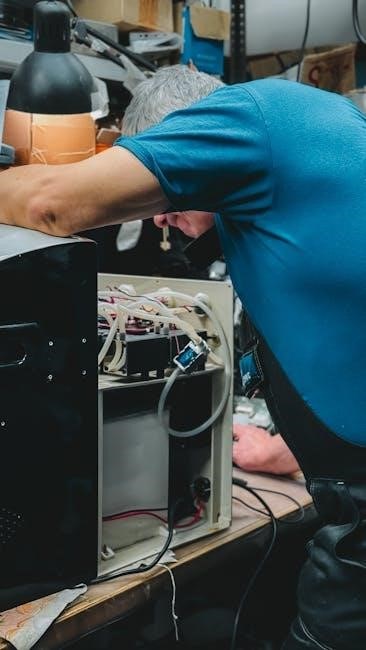
If the switch lacks continuity, it likely needs replacement. However, before replacing, verify the inducer motor is functioning correctly, as it creates the negative pressure needed to close the switch. A weak or failing inducer motor can mimic a faulty pressure switch. Always disconnect power before any inspection or repair work.
Inspecting the Gas Valve
The gas valve controls the flow of gas to the burner, and a malfunctioning valve can cause a no-heat situation or intermittent heating. Ducane furnace troubleshooting involving the gas valve requires extreme caution due to the inherent dangers of working with gas.
Before any inspection, shut off the gas supply to the furnace at the main gas shut-off valve; Visually inspect the valve and its connections for any signs of damage, corrosion, or leaks. A soapy water solution can be applied to connections to check for bubbles indicating a leak – never use a flame!
Using a multimeter, check the voltage to the gas valve when the thermostat calls for heat. If voltage is present but the valve doesn’t open, the valve itself is likely faulty and requires replacement by a qualified technician. Do not attempt to disassemble or repair the gas valve yourself. A professional can accurately diagnose and safely replace the component, ensuring proper operation and preventing gas leaks.
Verifying Power Supply
A lack of power is a common cause of Ducane furnace malfunctions. Begin by checking the circuit breaker dedicated to the furnace in your electrical panel. A tripped breaker indicates an overload or short circuit, and should be reset. If it trips again immediately, further investigation is needed – do not repeatedly reset it.
Next, inspect the furnace’s disconnect switch, typically located near the unit. Ensure it’s in the “on” position. Use a non-contact voltage tester to confirm power is reaching the furnace. If power is present at the disconnect but the furnace isn’t responding, the issue lies within the furnace’s control board or wiring.
Carefully examine the wiring connections to the control board for any loose connections or signs of burning. A multimeter can be used to test for voltage at the control board terminals during a call for heat. If no voltage is present, the control board itself may be faulty and require professional diagnosis and replacement. Always prioritize safety and disconnect power before working with electrical components.
Safety Precautions for DIY Repair
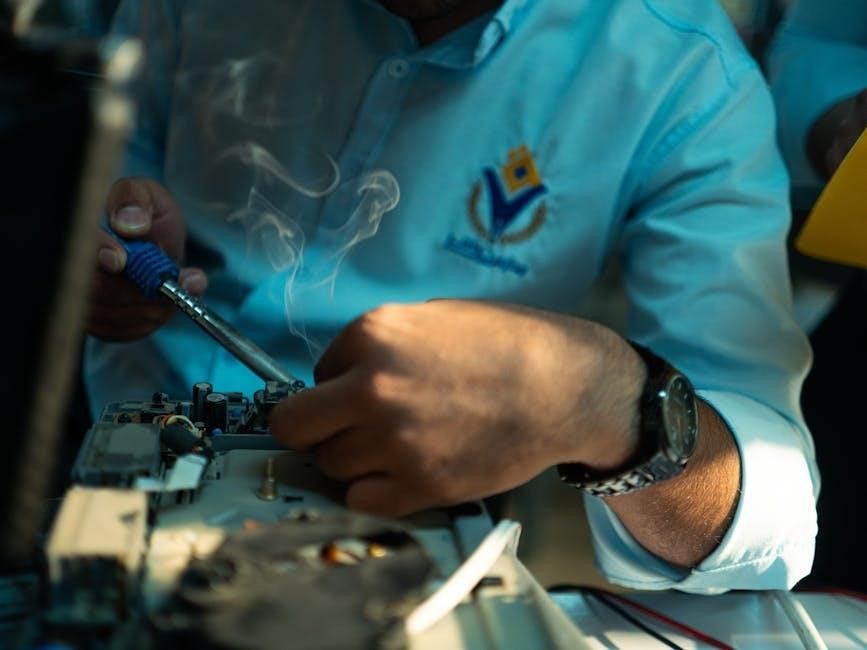
Attempting DIY repairs on a Ducane furnace can be risky if proper safety measures aren’t followed. Before starting any work, always disconnect the power supply at the circuit breaker and verify it’s off with a non-contact voltage tester. Gas furnaces contain potentially lethal components, so proceed with extreme caution.
Never work on a furnace if you smell gas. Immediately evacuate the premises and contact your gas company or a qualified HVAC technician. Wear appropriate personal protective equipment (PPE), including safety glasses and gloves, to protect against injury. Be mindful of sharp edges and hot surfaces within the furnace.
If you’re uncomfortable with electrical wiring or gas connections, or if the problem seems complex, it’s best to call a professional. Improper repairs can lead to fire, carbon monoxide poisoning, or further damage to your furnace. Always consult the furnace’s manual for specific safety guidelines and warnings before attempting any repairs.
When to Call a Professional HVAC Technician
While many Ducane furnace issues can be diagnosed and sometimes resolved with DIY troubleshooting, certain situations demand the expertise of a qualified HVAC technician. If you detect a gas leak, or smell gas near the furnace, immediately evacuate and contact a professional – do not attempt any repairs yourself.
Complex electrical problems, such as consistent power supply issues or damaged wiring, require a professional’s attention. Similarly, if you suspect a problem with the gas valve or any component related to gas combustion, it’s crucial to call an expert. Issues involving the heat exchanger, a critical safety component, should only be addressed by a trained technician.
If you’ve attempted basic troubleshooting steps and the furnace continues to malfunction, or if you’re uncomfortable performing any repairs, don’t hesitate to seek professional help. A technician has the tools, knowledge, and experience to accurately diagnose and safely resolve complex furnace problems, ensuring your home’s heating system operates efficiently and safely.