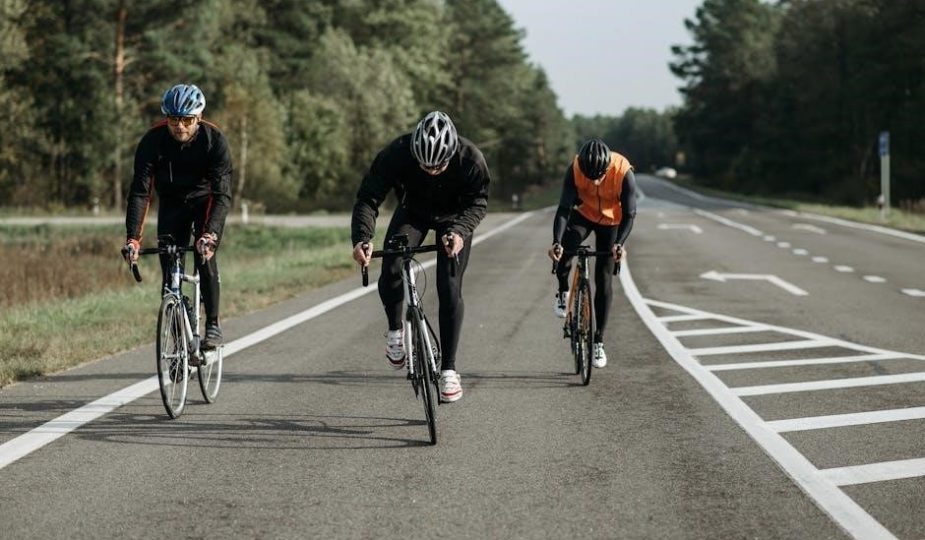
100 mile cycle training plan pdf
Embarking on a 100-mile cycling journey requires dedication! This training plan, mirroring popular guides, focuses on building endurance and strength over twelve weeks.
Champion cyclists advocate for customized plans based on current fitness, progressively increasing mileage, and incorporating varied intensity workouts for optimal results.
Successfully completing a century ride is achievable with structured training, proper nutrition, and diligent bike preparation, mirroring the growing popularity of these events.
What is a Century Ride?
A century ride, in the cycling world, is defined as a 100-mile ride completed in a single day. It’s a significant milestone for cyclists of all levels, representing a substantial test of endurance, physical fitness, and mental fortitude. The challenge mirrors the marathon’s popularity in running, with a growing number of organized century events across the country attracting thousands of participants.
These events aren’t necessarily races; many are “sportives” or recreational rides focused on personal accomplishment rather than competition. Successfully completing a century requires careful preparation, including a structured training plan, appropriate nutrition, and a well-maintained bicycle. It’s a rewarding experience, proving dedication and resilience.
Why Train for a 100-Mile Cycle?
Training for a century ride offers numerous benefits beyond simply completing the distance. It’s a fantastic goal to improve overall fitness, building cardiovascular health, muscular endurance, and mental toughness. The process encourages consistent exercise and a healthier lifestyle, fostering discipline and self-confidence.
Furthermore, a century ride provides a significant sense of accomplishment. It’s a personal challenge that pushes boundaries and demonstrates dedication. Participating in organized century events connects cyclists with a supportive community, sharing a common goal and passion for the sport. It’s a truly rewarding experience!
Assessing Your Current Fitness Level
Before diving into a 12-week plan, honestly evaluate your current cycling ability. Can you comfortably ride for at least 30-60 minutes? How often do you currently cycle each week? Consider your recent activity levels and any existing health conditions. A realistic self-assessment is crucial for customizing the training program.
Beginners should start with shorter rides and gradually increase duration, while experienced cyclists can begin at a higher intensity. Understanding your baseline fitness prevents overtraining and minimizes injury risk. This initial evaluation ensures a safe and effective training journey towards your century goal.
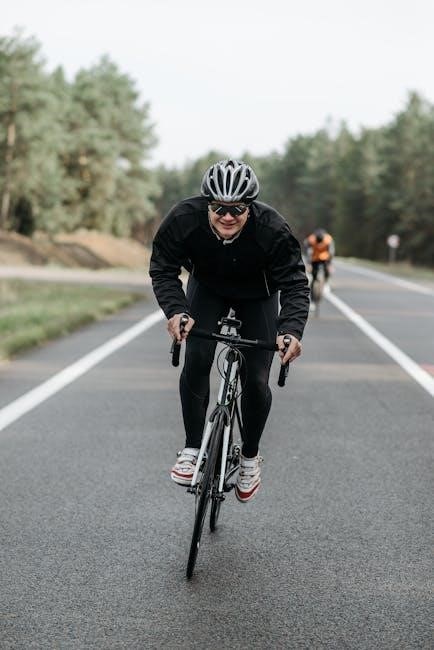
Building a 12-Week Training Plan
A structured 12-week plan is essential for success! It incorporates progressive overload, varied intensities, and strategic recovery, mirroring expert guidance for optimal century preparation.
Importance of a Structured Plan
A well-defined training plan is paramount for conquering a century ride. Random rides won’t suffice; a structured approach ensures progressive adaptation and minimizes injury risk. Experts emphasize efficiency – maximizing training impact within limited weekly hours.
This involves carefully balancing endurance rides, interval training, and strength work. A plan provides accountability, tracks progress, and prevents overtraining. It’s not merely about logging miles, but about strategically building fitness.
Following a plan, like those found in cycling magazines, increases confidence and prepares you mentally and physically for the demands of 100 miles, mirroring the marathon training philosophy.
Key Training Principles: Progressive Overload
Progressive overload is fundamental to century ride training. This principle dictates gradually increasing training stress – either duration, intensity, or frequency – to continually challenge your body. Simply put, you must consistently push your limits, but safely.
Beginners often start with 3-4 weekly rides, incrementally increasing ride time by 15% each week, aiming for the two-hour mark as a foundation. This methodical approach builds endurance without risking burnout or injury.
As fitness improves, overload can be achieved through longer rides, harder intervals, or more frequent training sessions, mirroring the strategies outlined in comprehensive cycling guides.
Understanding Training Zones (Zone 2, Sweet Spot)
Effective century training hinges on understanding training zones. Zone 2, characterized by conversational pace, builds aerobic endurance – crucial for long distances. Spending significant time here forms the base of your fitness.
“Sweet Spot” training, a higher intensity, offers substantial gains with less fatigue than maximal efforts. It sits between Zone 2 and your lactate threshold, improving power and efficiency.
Integrating both zones is key; structured plans efficiently combine Zone 2 for endurance and Sweet Spot for power, maximizing training benefits within limited weekly hours.

The First 4 Weeks: Base Building
Initial weeks prioritize endurance and consistency. Focus on 3-4 weekly rides, gradually increasing duration by 15% each week to build a solid foundation.
Focus on Endurance and Consistency
Establishing a robust base is paramount during these initial four weeks. The primary goal isn’t speed, but time in the saddle, building cardiovascular fitness and muscular endurance. Aim for consistent riding, even if it’s just shorter distances, three to four times per week.
Prioritize completing each ride comfortably, maintaining a conversational pace. This phase is about adapting your body to the repetitive motion and demands of cycling. Don’t worry about pushing limits; focus on building a habit and enjoying the process. Consistency trumps intensity at this stage, setting you up for success in later, more demanding phases of the training plan.
Ride Duration and Frequency (3-4 times/week)
Begin with 3-4 rides weekly, initially focusing on durations between 30 minutes and one hour. This frequency allows for adequate recovery between sessions, crucial for preventing overtraining and injury. Gradually increase ride time, adhering to the 15% weekly progression rule.
Structure your week with a mix of shorter, easier rides and one slightly longer ride, progressively extending its duration. Listen to your body and don’t hesitate to adjust the schedule based on fatigue levels. Prioritize consistency over pushing too hard, too soon, building a solid foundation for the more intense phases ahead.
Increasing Ride Time by 15% Weekly
A cornerstone of effective century training is progressive overload, specifically increasing ride time by approximately 15% each week. This gradual approach allows your body to adapt to the increasing demands without risking injury or burnout. For example, if you ride for one hour this week, aim for 69 minutes next week.
Monitor your body’s response closely, adjusting the increase if needed. Consistency is key; even small, incremental gains accumulate significantly over the 12-week plan. This methodical progression builds endurance and prepares you for the longer distances required for a successful century ride.
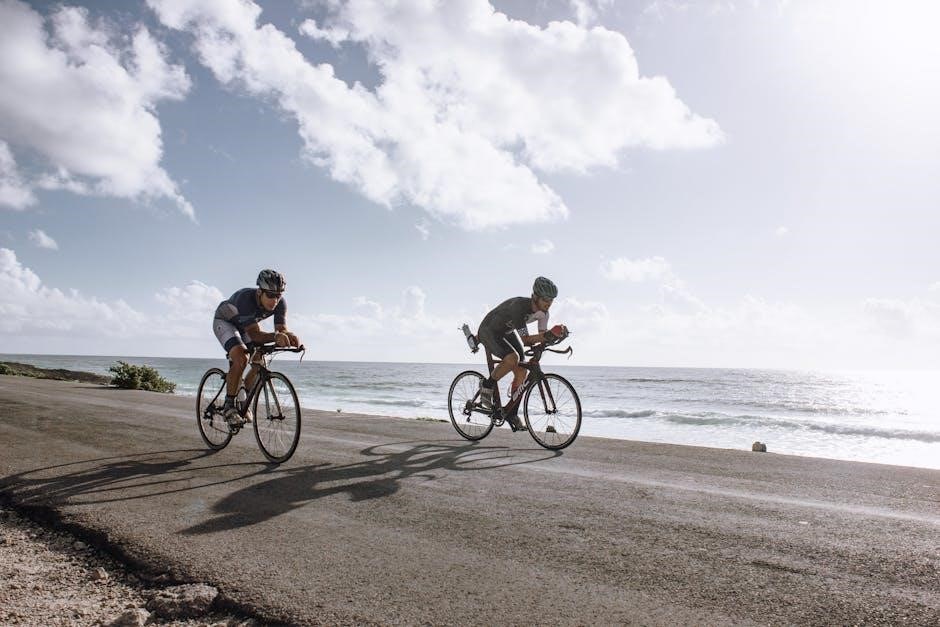
Weeks 5-8: Increasing Intensity
Now is the time to elevate your training! Integrate interval workouts, sweet spot training, and challenging hill repeats to build strength and endurance effectively.
Incorporating Interval Training
Interval training is crucial for boosting your cycling power and speed. These workouts involve short bursts of high-intensity effort followed by recovery periods, improving your cardiovascular fitness and lactate threshold. A typical interval session might include 6-8 repetitions of 3-minute hard efforts with 3-minute easy spinning recoveries.
Focus on maintaining consistent power output during the high-intensity intervals. Gradually increase the duration or intensity of the intervals each week, adhering to the principle of progressive overload. Remember to warm up thoroughly before each session and cool down afterward to prevent injury and promote recovery. Interval training efficiently builds fitness within limited training time.
Sweet Spot Training Workouts
Sweet Spot training occupies the intensity zone between endurance and threshold efforts. It’s highly effective for building aerobic capacity without the fatigue of harder intervals. These workouts typically involve sustained efforts at 88-94% of your Functional Threshold Power (FTP), or a perceived exertion level of “comfortably hard.”
A common Sweet Spot workout is 2 x 20 minutes with 5-10 minutes of easy spinning recovery between intervals. Gradually increase the total time spent in the Sweet Spot each week. This training method efficiently improves your endurance and power, preparing you for the sustained demands of a century ride, maximizing training efficiency.
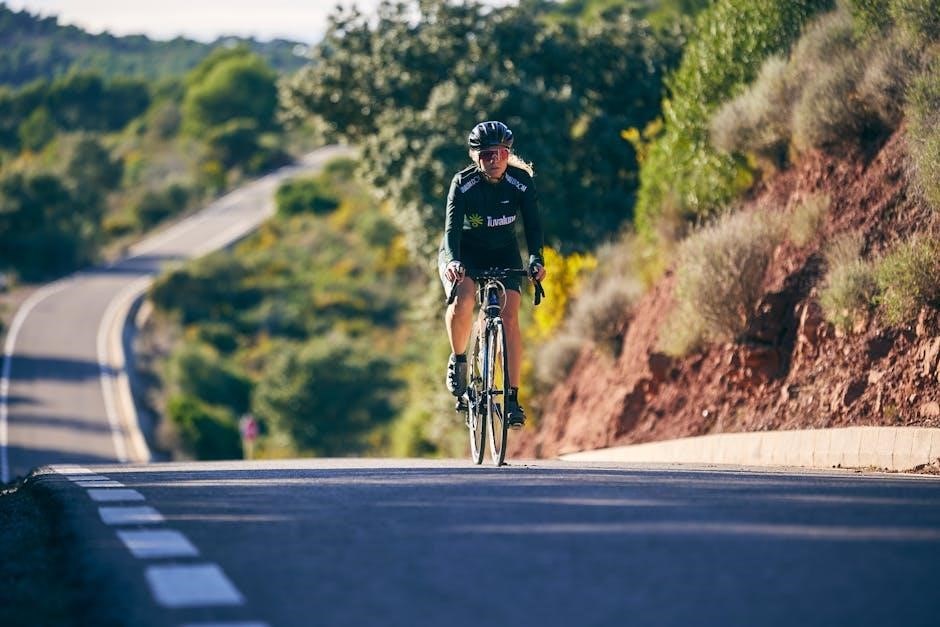
Hill Repeats for Strength
Hill repeats are crucial for building leg strength and improving your cycling power. Find a hill with a moderate gradient (6-8%) and ride up it at a high intensity, maintaining good form. Focus on a strong pedal stroke and controlled breathing. Recover on the descent, allowing your heart rate to lower before the next repeat.
Start with 4-6 repeats and gradually increase the number as your fitness improves. Hill repeats build muscular endurance and prepare your legs for the challenging climbs often encountered during a 100-mile ride, enhancing overall cycling performance.
Weeks 9-12: Peak Training & Tapering
These final weeks involve long rides approaching 100 miles, simulated century attempts, and a crucial taper to ensure freshness and peak performance on race day.
Long Ride Progression (Approaching 100 Miles)
As you enter weeks 9-12, the focus shifts to progressively longer rides, meticulously building towards the full century distance. This isn’t simply about increasing mileage; it’s about simulating the demands of a 100-mile event. Expect weekly increases, potentially adding 10-20 miles each week, carefully monitoring your body’s response.
These extended rides are crucial for building both physical and mental endurance. Practice pacing strategies, nutrition plans, and hydration routines that you intend to use during the actual century ride. Pay attention to how your body feels at different distances and adjust accordingly. Remember, consistency and smart progression are key to success!
Simulated Century Rides
Incorporating simulated century rides is paramount during peak training. These aren’t necessarily full 100-mile efforts every time, but rides of 80-90 miles that mimic the conditions of your target event – terrain, weather, and pacing. These rides are invaluable for testing your nutrition strategy, hydration plan, and overall endurance capacity under realistic circumstances.
Treat these simulations as dress rehearsals for the big day. Practice everything – from fueling and hydration to gear changes and mental fortitude. Analyze your performance afterward, identifying areas for improvement before the actual century ride.
Tapering Strategies for Race Day
Tapering is crucial in the final weeks, reducing training volume to allow your body to recover and rebuild. Don’t view it as losing fitness; it’s about maximizing freshness for peak performance. Reduce your overall mileage by 40-60% in the last two weeks, while maintaining some intensity with short, sharp efforts.
Prioritize rest and sleep during this phase. Focus on nutrition and hydration to top off glycogen stores. Avoid any strenuous activity outside of cycling. A well-executed taper ensures you arrive at the starting line feeling strong, energized, and ready to conquer the century!

Nutrition and Hydration
Fueling is paramount for a century ride! Consistent intake of carbohydrates, electrolytes, and fluids before, during, and after rides sustains energy and prevents depletion.
Fueling Before, During, and After Rides
Pre-ride nutrition focuses on carbohydrate loading, ensuring glycogen stores are maximized for sustained energy. Consume a meal rich in complex carbohydrates 2-3 hours before, avoiding high-fat or high-fiber foods.
During the ride, consistent fueling is crucial. Aim for 30-60 grams of carbohydrates per hour, utilizing easily digestible options like gels, chews, or sports drinks. Hydration is equally vital; drink regularly to replace fluids lost through sweat.
Post-ride recovery demands replenishing glycogen stores and repairing muscle tissue. Consume a combination of carbohydrates and protein within 30-60 minutes of finishing, aiding muscle recovery and preparing for the next training session.
Hydration Strategies for Long Distances
Maintaining adequate hydration is paramount during century rides. Dehydration significantly impacts performance and can lead to cramping and fatigue. Begin hydrating well before the ride, and continue consistently throughout.
Aim to drink 16-20 ounces of fluid per hour, adjusting based on weather conditions and sweat rate. Electrolyte drinks are beneficial, replacing sodium and other minerals lost through perspiration.
Carry sufficient water or utilize hydration packs. Plan your route to include water stops, and practice your hydration strategy during training rides to optimize performance on race day.
On-Bike Nutrition Options
Fueling consistently is crucial for sustaining energy levels during a century ride. Your body needs readily available carbohydrates to prevent depletion. Options include energy gels, chews, bars, and real food like bananas or fig newtons.
Consume 20-30 grams of carbohydrates per hour, increasing during intense efforts. Experiment with different options during training to find what your stomach tolerates best.
Carry a variety of options to avoid flavor fatigue. Proper nutrition, combined with hydration, will significantly enhance endurance and performance throughout the long ride.
Gear and Bike Preparation
Prioritize a comfortable bike fit and essential gear! A helmet, cycling shoes, and appropriate clothing are vital for safety and enjoyment during long rides.
Bike Fit and Comfort
Achieving a proper bike fit is paramount for century ride success. Discomfort quickly amplifies over 100 miles, hindering performance and potentially causing injury. A professional bike fit ensures optimal positioning, maximizing power transfer and minimizing strain on joints and muscles.
Consider saddle comfort, handlebar reach, and cleat positioning. Small adjustments can make a significant difference. Experiment with different saddles and handlebar tapes to find what suits your body best. Ensure your cleats are properly aligned to prevent knee pain. Prioritizing comfort allows you to focus on endurance, not discomfort, throughout your training and the century ride itself.
Essential Cycling Gear (Helmet, Shoes, Clothing)
Prioritize safety and comfort with essential cycling gear. A well-fitting helmet is non-negotiable, protecting against potential head injuries. Cycling-specific shoes and clipless pedals enhance power transfer and efficiency, crucial for long distances. Invest in quality cycling shorts with a chamois to minimize chafing and saddle soreness.
Moisture-wicking jerseys and appropriate layers are vital for regulating body temperature. Consider cycling gloves to absorb vibrations and improve grip. Don’t forget sunglasses to shield your eyes from sun and debris. Proper gear elevates comfort, allowing you to concentrate on your training and the challenge ahead.
Bike Maintenance Checklist
Regular bike maintenance is paramount for a successful century ride. Before each training session, check tire pressure, ensuring optimal rolling resistance and puncture prevention. Inspect brakes for responsiveness and adjust as needed for safe stopping power. Lubricate the chain to minimize friction and ensure smooth shifting.
Periodically check bolts for tightness, especially on the stem, handlebars, and seatpost. Inspect cables for fraying or damage. A clean drivetrain improves efficiency. Consider a professional tune-up before the event to address any underlying issues and guarantee peak performance.
Recovery and Injury Prevention
Prioritize rest and recovery alongside training! Stretching, foam rolling, and addressing minor discomforts proactively are crucial for preventing cycling-related injuries and maximizing gains.
Importance of Rest and Recovery
Adequate rest is as vital as the training itself! Your body adapts and strengthens during recovery periods, not while actively exerting. Ignoring rest leads to overtraining, hindering progress and increasing injury risk.
Schedule rest days strategically within your 12-week plan, allowing muscles to repair and glycogen stores to replenish. Active recovery, like short, easy spins, can also promote blood flow and reduce soreness.
Listen to your body’s signals; don’t push through persistent pain. Prioritizing sleep – aiming for 7-9 hours nightly – is fundamental for optimal recovery and overall performance. Remember, consistent, well-rested training yields far better results than sporadic, exhausted efforts.
Stretching and Foam Rolling
Integrating stretching and foam rolling is crucial for maintaining flexibility and preventing injuries during your century ride training. Focus on major muscle groups used in cycling – hamstrings, quads, glutes, and calves.
Dynamic stretching before rides prepares muscles for activity, while static stretching post-ride improves flexibility and reduces soreness. Foam rolling helps release muscle tension and improve blood flow, aiding recovery.
Consistent application of these techniques enhances range of motion, reduces muscle imbalances, and ultimately contributes to a more efficient and comfortable cycling experience throughout your 12-week plan.
Recognizing and Addressing Common Cycling Injuries
During intense century ride training, awareness of potential injuries is vital. Common issues include knee pain, hamstring strains, and lower back discomfort, often stemming from improper bike fit or overuse.
Early recognition of symptoms – sharp pain, swelling, or limited range of motion – is key. Address minor issues with rest, ice, compression, and elevation (RICE).
Don’t ignore persistent pain; consult a medical professional. Prioritizing recovery and adjusting your training plan proactively prevents minor problems from escalating into debilitating injuries, ensuring you reach your 100-mile goal.
Sample Training Week (Mid-Plan)
A typical mid-plan week balances endurance and intensity. Monday: Active recovery – 30-45 minutes easy spinning. Tuesday: Interval training – 4 x 8-minute hard efforts with equal recovery. Wednesday: Rest or cross-training (swimming, running).
Thursday: Sweet spot training – 60-90 minutes at a comfortably hard pace. Friday: Rest. Saturday: Long ride – gradually increasing distance, aiming for 60-80 miles.
Sunday: Easy recovery ride – 60-90 minutes. This structure, common in 12-week plans, builds fitness progressively, preparing you for the demands of a century ride.