reverse total shoulder replacement exercises pdf
Reverse total shoulder arthroplasty is often recommended for those with significant rotator cuff issues‚ fractures‚ or failed prior shoulder surgeries.
Post-operative guidelines and rehabilitation protocols‚ often available as PDF resources‚ are crucial for optimal recovery and regaining function.
Understanding the process and adhering to a structured plan‚ like a physical therapy protocol‚ maximizes positive outcomes after surgery.
What is Reverse Total Shoulder Replacement?
Reverse total shoulder replacement (RTSA) is a specialized surgical procedure designed for patients with severe shoulder problems‚ particularly those with large‚ irreparable rotator cuff tears. Unlike a traditional total shoulder replacement‚ RTSA reverses the anatomy of the shoulder joint. The glenoid (socket) component is placed on the humerus (upper arm bone)‚ and the humeral component is placed on the glenoid.
This alteration effectively shifts the lifting function from the damaged rotator cuff to the deltoid muscle‚ providing improved pain relief and function. Accessing detailed reverse total shoulder replacement exercises PDF guides is vital for understanding the post-operative rehabilitation process. These resources‚ often provided by surgeons or physical therapists‚ outline a phased approach to recovery‚ emphasizing early motion and progressive strengthening. Following a structured physical therapy protocol‚ often downloadable as a PDF‚ is paramount for a successful outcome.
Indications for Reverse Total Shoulder Replacement
Reverse total shoulder replacement (RTSA) isn’t suitable for everyone. Primary indications include massive‚ irreparable rotator cuff tears where traditional repair isn’t feasible. It’s also frequently recommended for patients with proximal humerus fractures‚ particularly those with poor bone quality or complex fracture patterns‚ resulting in rotator cuff deficiency. Revision shoulder arthroplasty‚ when accompanied by significant rotator cuff insufficiency‚ is another common scenario.

Understanding these indications is crucial‚ as post-operative rehabilitation differs based on the underlying condition. Finding a comprehensive reverse total shoulder replacement exercises PDF is essential for patients to prepare for and adhere to their recovery plan. These PDF guides‚ often part of a broader physical therapy protocol‚ detail specific exercises tailored to address the unique challenges presented by each indication‚ ensuring optimal functional restoration.

Phase 1: Immediate Post-Operative Phase (0-6 Weeks)
Initial focus is on pain management and protecting the surgical site; early exercises‚ detailed in PDF protocols‚ are gentle and limited.
Pain Management and Wound Care
Effective pain control is paramount during the initial post-operative period following a reverse total shoulder replacement. Patients typically receive a prescription for pain medication‚ and adherence to the prescribed regimen is crucial.
Alongside medication‚ ice application significantly reduces swelling and discomfort. Wound care instructions‚ often detailed in post-operative PDF guides‚ emphasize keeping the incision clean and dry to prevent infection.
Monitor the wound daily for signs of infection‚ such as increased redness‚ swelling‚ drainage‚ or fever. Gentle range of motion exercises‚ as outlined in your physical therapy protocol (often available as a PDF)‚ are initiated cautiously to prevent stiffness‚ but should not compromise wound healing.
Early‚ controlled movement aids circulation and reduces pain‚ but always prioritize wound protection.
Immobilization and Protection
Following reverse total shoulder replacement‚ a period of immobilization is essential to allow initial healing and stability. Typically‚ a sling is worn continuously‚ except for brief periods during prescribed exercises. This protects the surgical repair and minimizes stress on the new joint.
Specific sling wear duration varies based on surgeon preference and individual progress‚ often detailed in post-operative PDF instructions. It’s vital to avoid activities that could compromise the shoulder’s stability‚ such as lifting or reaching.
Understanding these restrictions‚ often outlined in a physical therapy protocol (available as a PDF)‚ is key. Gradually progressing through exercises‚ as guided by your therapist‚ will help restore function while maintaining adequate protection.
Proper immobilization prevents complications and sets the stage for successful rehabilitation.
Early Range of Motion Exercises
Initiating gentle range of motion exercises soon after surgery is crucial‚ despite the initial immobilization. These early movements‚ often detailed in a post-operative PDF guide‚ prevent stiffness and promote blood flow. Emphasis is placed on passive range of motion‚ where an external force – like gravity or a therapist – moves the arm.
Simple exercises‚ frequently included in a physical therapy protocol (often downloadable as a PDF)‚ might involve gentle pendulum swings or assisted external rotation.
These movements are performed within a pain-free range‚ carefully monitored to avoid stressing the surgical repair. The goal isn’t to regain full range immediately‚ but to maintain some mobility and prepare for more active exercises later.
Following the prescribed exercises is vital for a successful recovery.
Scapular Stabilization Exercises
Strengthening the muscles that control the scapula (shoulder blade) is a cornerstone of reverse total shoulder replacement rehabilitation‚ often outlined in detailed PDF resources. These exercises are vital because a stable scapula provides a solid base for shoulder movement and function.
Early scapular exercises‚ frequently found within a comprehensive physical therapy protocol (available as a PDF)‚ focus on activating and strengthening the muscles responsible for scapular retraction‚ protraction‚ elevation‚ and depression.
Examples include scapular squeezes‚ rows with light resistance‚ and wall slides. These exercises are typically initiated early in the rehabilitation process‚ even during the immobilization phase‚ to prepare for more demanding movements later on.
Proper form is essential to maximize effectiveness.

Phase 2: Early Rehabilitation Phase (6-12 Weeks)
This phase‚ detailed in reverse total shoulder replacement exercises PDF guides‚ emphasizes gentle movements and regaining range of motion with assistance.
Pendulum Exercises
Pendulum exercises are a cornerstone of early rehabilitation‚ frequently illustrated in reverse total shoulder replacement exercises PDF materials. These gentle movements‚ initiated around 6-12 weeks post-op‚ aim to reduce pain and stiffness without stressing the surgical repair.
To perform them‚ lean forward‚ supporting your weight with the non-operative arm‚ allowing the operative arm to hang freely. Gently swing the arm in small circles – clockwise and counterclockwise – and then forward and backward. The motion should originate from the shoulder‚ not from forceful arm movements.
Gradually increase the range of motion and the size of the circles as tolerated. These exercises promote fluid mobilization and early capsular stretching‚ preparing the shoulder for more active movements. Consistency is key; perform these several times a day‚ as directed by your physical therapist‚ referencing your PDF guide for proper form.
Passive Range of Motion Exercises
Passive range of motion (PROM) exercises‚ often detailed in reverse total shoulder replacement exercises PDF guides‚ are crucial during the 6-12 week rehabilitation phase. These involve an external force – typically a physical therapist – gently moving your arm through its range of motion‚ while you remain relaxed.
PROM helps restore joint mobility and prevent stiffness without activating your muscles‚ which is vital early on. Common movements include forward elevation‚ external rotation‚ and internal rotation. Your therapist will carefully control the speed and extent of the movement‚ respecting your pain levels.
These exercises are often performed in a warm environment to enhance tissue flexibility. Regularly reviewing your PDF resource alongside your therapist ensures correct technique and progression‚ maximizing the benefits of PROM for a successful recovery.
Active-Assisted Range of Motion Exercises
Active-assisted range of motion (AAROM) exercises‚ frequently illustrated in reverse total shoulder replacement exercises PDF materials‚ bridge the gap between passive and active movement. You initiate the motion‚ but receive gentle assistance from your therapist or even a device like a pulley system.
This technique helps rebuild strength and neuromuscular control while minimizing strain. Examples include assisted forward flexion‚ abduction‚ and external rotation; The assistance gradually decreases as your strength improves‚ encouraging independent movement.
Referencing your PDF guide alongside your therapist’s instructions is key to proper form. AAROM exercises are crucial for regaining functional use of your shoulder‚ preparing you for more demanding activities in later rehabilitation phases.
Isometric Exercises
Isometric exercises‚ often detailed within reverse total shoulder replacement exercises PDF guides‚ involve contracting muscles without actually moving the joint. This is a foundational step in early rehabilitation‚ promoting muscle activation without stressing the healing tissues.
Common isometric exercises include pressing against a wall in various directions (forward‚ outward‚ inward) and holding the contraction for several seconds. These exercises help maintain muscle strength and prevent atrophy during the initial phases of recovery.
Your PDF resource will likely demonstrate proper positioning and hold times. Consistent performance of these exercises‚ guided by your physical therapist‚ is vital for establishing a stable base for subsequent strengthening activities.
Phase 3: Intermediate Rehabilitation Phase (12-16 Weeks)
This phase‚ detailed in reverse total shoulder replacement exercises PDF guides‚ focuses on regaining active motion and initiating light resistance training.
Active Range of Motion Exercises
During the intermediate phase (12-16 weeks)‚ active range of motion (AROM) exercises become central to rehabilitation‚ as outlined in many reverse total shoulder replacement exercises PDF resources. These exercises empower the patient to move their shoulder independently‚ without assistance‚ through a gradually increasing range.
Focus should be placed on achieving full flexion‚ abduction‚ and external rotation‚ while carefully monitoring for pain. Patients are encouraged to perform these movements slowly and deliberately‚ avoiding any sudden or jerky motions. A physical therapy protocol will typically prescribe specific repetitions and sets for each exercise.
It’s vital to prioritize proper form over the extent of motion‚ ensuring correct muscle activation and preventing compensatory movements. Consistent performance of AROM exercises is key to restoring shoulder function and preparing for more advanced strengthening activities. Detailed illustrations within PDF guides can be incredibly helpful;
Light Resistance Exercises
As patients progress into the intermediate rehabilitation phase (12-16 weeks)‚ incorporating light resistance exercises is crucial‚ often detailed within reverse total shoulder replacement exercises PDF guides. These exercises aim to gently strengthen the surrounding muscles without overloading the newly replaced joint.
Theraband exercises are commonly used‚ starting with minimal resistance and gradually increasing as strength improves. External rotation‚ abduction‚ and scaption are frequently targeted. A physical therapy protocol will dictate the appropriate resistance level and repetition schemes.
Maintaining proper form is paramount to avoid injury and ensure effective muscle engagement. Patients should focus on controlled movements and avoid compensating with other muscle groups. Many PDF resources provide visual demonstrations of correct technique‚ aiding in safe and effective exercise execution.
Strengthening of Deltoid Muscles
During the intermediate phase (12-16 weeks) of rehabilitation‚ strengthening the deltoid muscles is vital for shoulder function following a reverse total shoulder replacement. Detailed exercise plans are often found in reverse total shoulder replacement exercises PDF documents.
Exercises typically begin with light weights or resistance bands‚ focusing on anterior‚ lateral‚ and posterior deltoid activation. Scaption‚ shoulder press (with minimal weight)‚ and rows are common choices. A physical therapy protocol will guide progression.
It’s crucial to avoid excessive weight or rapid increases in resistance‚ as this could compromise the healing joint. Proper form‚ as illustrated in many PDF guides‚ is essential. Strengthening the deltoid helps restore shoulder stability and range of motion.
Strengthening of Scapular Stabilizers
Strengthening the muscles that control scapular movement is paramount after reverse total shoulder replacement‚ often detailed in comprehensive reverse total shoulder replacement exercises PDF resources. These muscles provide a stable base for deltoid function.
Exercises commonly include scapular retractions‚ protractions‚ upward and downward rotations‚ and serratus anterior punches. Resistance bands and light weights are frequently utilized‚ guided by a physical therapy protocol.
Focusing on controlled movements and proper form‚ as demonstrated in PDF exercise guides‚ is crucial. Strengthening these stabilizers improves shoulder mechanics‚ reduces pain‚ and enhances overall function. A strong scapular foundation supports the new shoulder joint and promotes long-term stability.

Phase 4: Advanced Rehabilitation Phase (16+ Weeks)
This phase focuses on maximizing strength and function‚ often utilizing reverse total shoulder replacement exercises PDF guides for progressive resistance and functional drills.
Progressive Resistance Training
Progressive resistance training is a cornerstone of advanced rehabilitation following reverse total shoulder replacement. Utilizing resources like reverse total shoulder replacement exercises PDF guides‚ patients gradually increase the weight or resistance used during exercises. This phase builds upon earlier gains in range of motion and foundational strength.
Initially‚ focus on higher repetitions with lighter weights‚ prioritizing proper form to avoid injury. Exercises may include external and internal rotations with resistance bands‚ rows‚ and shoulder presses. As strength improves‚ resistance is incrementally increased. The goal is to challenge the deltoid and scapular stabilizer muscles‚ restoring functional capacity. Careful monitoring by a physical therapist is essential to ensure appropriate progression and prevent overexertion‚ tailoring the program to individual needs and recovery timelines.
Functional Exercises
Functional exercises bridge the gap between controlled rehabilitation and real-world activities after reverse total shoulder replacement. These movements mimic daily tasks‚ improving the shoulder’s ability to handle practical demands. Utilizing a reverse total shoulder replacement exercises PDF can provide visual guidance for these activities.
Examples include reaching‚ lifting‚ carrying‚ and pushing/pulling motions. Initially‚ these are performed with minimal weight or resistance‚ focusing on proper technique. Progression involves gradually increasing the load and complexity of the tasks. The aim is to restore independence in activities like dressing‚ grooming‚ and household chores. A physical therapist will assess individual needs and tailor the exercise program accordingly‚ ensuring safe and effective return to function. This phase emphasizes coordinated movement patterns and endurance.
Return to Activity Considerations
Returning to activities post-reverse total shoulder replacement requires a cautious‚ phased approach guided by your surgeon and physical therapist. A reverse total shoulder replacement exercises PDF can help reinforce proper form during this transition. Factors influencing return include pain levels‚ range of motion‚ strength‚ and individual activity demands.
Initially‚ avoid heavy lifting‚ repetitive overhead motions‚ and impact activities. Gradually reintroduce activities‚ monitoring for pain or swelling. Prioritize proper body mechanics to protect the shoulder joint. Return to work considerations depend on job requirements; modified duties may be necessary. Consistent adherence to a home exercise program‚ as outlined in your protocol‚ is vital for long-term success. Patience and realistic expectations are key to a safe and sustainable return to an active lifestyle.
Long-Term Maintenance Exercises
Maintaining shoulder health after reverse total shoulder replacement necessitates a consistent‚ lifelong exercise program. A reverse total shoulder replacement exercises PDF serves as a valuable resource for continued adherence. Focus on scapular stabilization‚ rotator cuff strengthening (if any residual function exists)‚ and deltoid endurance.
Regularly perform range of motion exercises to prevent stiffness. Incorporate light resistance training to maintain strength and functional capacity. Prioritize proper form over heavy weight; Continue activities that promote shoulder stability and control. Listen to your body and modify exercises as needed. A proactive approach to exercise will help preserve shoulder function‚ minimize pain‚ and enhance overall quality of life for years to come.

Resources and Further Information
Numerous reverse total shoulder replacement exercises PDF guides are available online‚ supplementing formal therapy. These resources aid in understanding and performing exercises correctly.
Consistent adherence to a prescribed physical therapy protocol is vital for optimal recovery and long-term shoulder health.

Finding Reverse Total Shoulder Replacement Exercises PDF
Locating reliable reverse total shoulder replacement exercises PDF resources is a key component of successful rehabilitation. Many orthopedic surgeons and physical therapy clinics offer downloadable guides directly to their patients. A quick internet search using specific keywords – “reverse shoulder replacement protocol PDF‚” “post-op shoulder rehab exercises‚” or the name of your surgeon/hospital combined with “shoulder rehab PDF” – will yield numerous options.
However‚ exercise caution when selecting a PDF. Ensure the source is credible‚ ideally from a recognized medical institution or a licensed physical therapist. Look for protocols that align with your surgeon’s specific instructions. These PDFs typically detail exercises categorized by phase of recovery‚ outlining repetitions‚ sets‚ and frequency. Remember‚ a PDF is a supplement to‚ not a replacement for‚ personalized physical therapy guidance.
Importance of Following a Physical Therapy Protocol
Adhering to a structured physical therapy protocol post-reverse total shoulder replacement is paramount for a successful recovery. These protocols aren’t arbitrary; they’re carefully designed progressions based on tissue healing timelines and biomechanical principles. Deviating from the plan can hinder progress‚ potentially leading to complications or reduced range of motion.
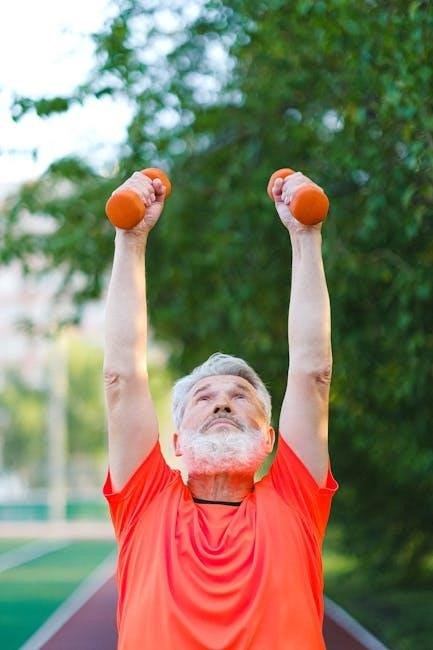
A qualified physical therapist will tailor the protocol to your individual needs‚ considering factors like pre-operative shoulder function‚ age‚ and overall health. While reverse total shoulder replacement exercises PDF resources can be helpful‚ they shouldn’t replace professional guidance. A therapist ensures proper form‚ monitors your response‚ and adjusts the program as needed. Consistent participation and open communication with your therapist are vital for achieving optimal long-term outcomes.