2023 honda civic owners manual
The 2023 Honda Civic Owner’s Manual provides essential guidance for new owners, covering vehicle fundamentals, safety features, maintenance schedules, and troubleshooting tips. It explains how to operate controls, interpret warning lights, and perform routine checks to ensure reliable performance.
1.1 Purpose of the Manual
Welcome to the 2023 Honda Civic Owner’s Manual, your definitive guide for understanding and caring for your vehicle. This manual compiles all essential information—ranging from basic vehicle operations and safety features to detailed maintenance schedules and troubleshooting tips—into one coherent, user‑friendly document. By studying and following the instructions provided, you will be able to operate your Civic safely, keep it running reliably, and extend its service life. The manual also serves as a reference for warranty coverage, service intervals, and recommended parts, ensuring that you stay compliant with Honda’s specifications and local regulations. Additionally, it offers practical advice on how to interpret warning lights, use onboard diagnostic tools, and perform simple maintenance tasks such as checking fluid levels, inspecting tires, and replacing filters. Whether you are a new owner or a seasoned driver, this manual is designed to help you make informed decisions about your vehicle’s care and to troubleshoot common issues before they become serious problems. By keeping this manual in a convenient location and reviewing it regularly, you can maintain the performance, safety, and value of your 2023 Honda Civic throughout its lifetime. For additional support, consult the online resources linked in the manual, including the Honda Owner’s Community forums, the official service bulletins, and the mobile app that provides real‑time vehicle diagnostics and maintenance reminders.

Safety Information
Always wear seat belts, keep windows closed, follow speed limits, and avoid distractions. The Civic’s advanced airbags, stability control, and collision‑avoidance system protect occupants. Read the warning lights guide and keep the vehicle in good condition. —safe driving!!
2.1 Seat Belt Use
Every occupant in 2023 Honda Civic must fasten the seat belt before vehicle starts moving. The driver’s belt is a three‑point system that secures lap and shoulder, while the rear seats feature a two‑point lap belt for children. The belt should sit snugly across the hips, not the stomach, and the shoulder strap should lie over the chest and shoulder, avoiding the neck. For infants and toddlers, the vehicle’s rear seats are equipped with a child‑seat anchor system that supports a forward‑facing or rear‑facing child seat, depending on the child’s age and weight. The Civic’s seat‑belt pretensioner automatically tightens the belt too when a collision is detected, reducing slack and improving protection. seat‑belt reminder chimes at 1, 2, and 3 minutes after vehicle is parked, reminding occupants to buckle up. The manual advises that the driver should check the belt tension each time the vehicle is used, especially after a crash or if the belt has been removed for any reason. Proper use of the seat belt is the single most effective way to reduce injury or death in a crash, and the Civic’s integrated safety systems work best when occupants are restrained,. The Civic’s seat‑belt system is designed to work in concert with airbags, stability control, and the vehicle’s crumple zones to provide protection for passengers. Always follow the manufacturer’s instructions for installing and using child restraints, the seat‑belt path clear of any objects that could interfere with the belt’s function.

Vehicle Overview
The 2023 Honda Civic blends style with safety, featuring a 2.0‑L turbo engine, hybrid option, and 10‑speed auto. Its lightweight frame, adaptive suspension, LED headlights, and panoramic sunroof enhance comfort and visibility. The Civic’s powertrain delivers smooth performance!
3.1 Exterior Features
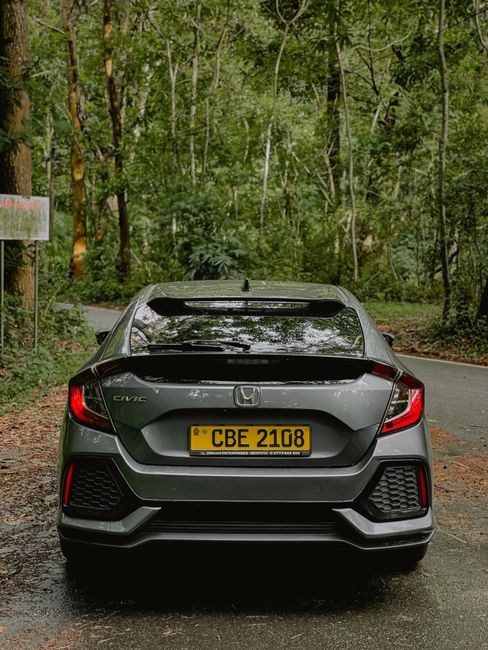
The 2023 Honda Civic’s exterior showcases a refined blend of sportiness and practicality. A bold, horizontally split grille anchors the front, flanked by sharp LED headlights that deliver crisp illumination while maintaining a cohesive aesthetic. The hood features subtle sculpting and a small chrome accent that hints at the vehicle’s dynamic character. Moving to the sides, the Civic’s tapered roofline and integrated rear spoiler create a streamlined silhouette that enhances aerodynamics and visual appeal. The wheel arches are accentuated by sleek, blacked‑out trim, and the 18‑inch alloy wheels—available in a variety of finishes—add a touch of elegance. At the rear, a distinctive chrome trim line runs along the bumper, framing dual exhaust outlets that give the car a subtle aggressive flair. The rear bumper is designed with a low-profile stance, and the integrated spoiler contributes to both style and performance. A panoramic sunroof, available on higher trims, extends the cabin’s openness, allowing natural light to flood the interior and enhancing the sense of space. The Civic’s roofline is complemented by a subtle roof rail that offers both functionality and a sporty look. The overall design balances modern styling cues with functional elements, ensuring the Civic remains a standout in its segment.
Paint options include cobalt blue, pearl white, and graphite grey with gloss finish. The optional roof rail offers a practical solution for carrying cargo while maintaining aerodynamics. enhances cabin.!!
Powertrain
The 2023 Honda Civic offers a 2.0‑L i-VTEC inline engine producing 158 hp and 138 lb‑ft torque, paired with a 6‑speed manual or CVT. Fuel economy 31 mpg city/40 mpg highway, while turbocharged 1.5‑L option delivers 180 hp and 139 lb‑ft torque, enhancing performance and efficiency today
4.1 Engine Specifications
The 2023 Honda Civic’s powertrain centers on a 2.0‑L i‑VTEC inline‑four engine delivering 158 hp at 6,200 rpm and 138 lb‑ft torque at 4,400 rpm. Paired with a 6‑speed manual or CVT, the engine’s 1,998 cc displacement is housed in a lightweight aluminum block and head, improving handling. Honda’s i‑VTEC adjusts valve timing for a smooth low‑rpm torque to high‑rpm power transition, while a multi‑point fuel injection system ensures precise delivery on regular gasoline. Emissions are controlled by a catalytic converter and advanced EGR system, and a 2.5‑liter radiator with electric coolant pump keeps the engine within 190°F–210°F. Its 11;0:1 compression ratio boosts efficient combustion. “Eco Assist” automatically tweaks throttle and shift points for better fuel economy, keeping the 2.0‑L i‑VTEC engine reliable and efficient.
For drivers seeking higher performance, the 2023 Civic also offers a 1.5‑L turbocharged inline‑four producing 180 hp at 5,500 rpm and 139 lb‑ft torque at 2,000 rpm. This unit features a twin‑scroll turbocharger, direct injection, and variable‑geometry turbo that reduces lag and maintains low‑end torque. Matched exclusively to a 6‑speed manual, the turbo engine’s compact design lowers the center of gravity, enhancing cornering stability. It includes a high‑pressure fuel pump and larger intercooler to manage intake temperatures, ensuring consistent performance. Emission controls are upgraded with a catalyst and sophisticated EGR, meeting EPA and Euro 6d‑TDI standards. The wastegate is electronically controlled for boost. Fuel economy averages 31 mpg city and 39 mpg highway, demonstrating Honda’s commitment to efficiency even in a more powerful configuration.

Transmission and Drivetrain
The 2023 Civic offers a 6‑speed manual or CVT, both front‑wheel drive. The manual provides precise gear changes, while the CVT delivers smooth acceleration and improved fuel economy. Torque is transmitted through a standard transaxle, ensuring reliable handling. It delivers smooth shifts and better fuel

5.1 Shifting and Gearbox Types
The 2023 Honda Civic offers two main transmission choices: a 6‑speed manual gearbox and a continuously variable transmission (CVT). The manual provides a tactile driving experience with a short lever throw and clear shift points, ideal for enthusiasts who value direct gear control. It pairs with a front‑wheel‑drive transaxle that delivers consistent torque and predictable handling.
The CVT, designed for fuel efficiency, uses a belt‑driven pulley system to keep the engine in its optimal power band. It features a torque‑converter clutch that engages smoothly, eliminating harsh shifts and delivering a quiet, comfortable ride. The system includes a “limp‑mode” safeguard that protects the transmission during fault conditions, allowing the driver to reach a service center safely.
Both transmissions are managed by Honda’s latest ECU software, which monitors engine output, throttle position, and vehicle speed to determine optimal shift timing and torque distribution. The ECU also adjusts CVT shift points to balance performance and economy. Drivers can select the desired mode via the gear selector lever or shift‑mode button, depending on the model variant.
Routine maintenance for the manual includes inspecting the clutch, gear oil, and linkage, while the CVT requires periodic fluid checks and monitoring for unusual noises or vibrations. Proper care ensures long‑term reliability and consistent performance for both gearbox types.
Owners should note that the CVT uses a special fluid; the manual recommends changing it every 60,000 miles or 72 months, whichever comes first, to keep performance daily! optimal.

Braking System
The 2023 Civic uses dual‑coil disc brakes front, single‑coil rear, with ABS and electronic brake‑force distribution. The brake pads are low‑wear, and the system includes a parking brake lever. Regular inspection of pads, rotors, and fluid keeps stopping power optimal.Check fluid level.
6.1 Brake Maintenance
Regular brake maintenance is essential for safety and longevity. Inspect brake pads and rotors every 10,000 miles or when the warning light activates. Pads should be replaced when the thickness falls below 3 mm. Rotors should be checked for warping, scoring, or uneven wear. If rotor surface deviates more than 0.5 mm, replace or resurface.
Brake fluid is a critical component; it absorbs moisture over time, lowering the boiling point and risking vapor lock. Change the fluid every 2 years or 24,000 miles, whichever comes first. Use the manufacturer‑specified DOT 4 fluid. After a fluid change, purge the system to remove air bubbles, which can cause spongy pedal feel.
For vehicles equipped with ABS, the system will automatically detect wheel lock during hard braking. If the ABS warning light remains illuminated after a drive cycle, have the system scanned for fault codes. Common issues include a faulty wheel speed sensor, low fluid, or a damaged ABS module. A qualified technician can diagnose and repair these components.
Parking brakes should be tested at least once a year. Engage the lever, drive forward, and then release. The vehicle should stop within a safe distance. If the brake does not hold, inspect the parking brake cable, caliper, and pads for wear or corrosion.
Keep the brake system clean by removing debris, brake dust, and road salt. Use a dedicated brake cleaner and a soft brush to clean the calipers and rotors. Avoid using harsh chemicals that can damage the brake components. Proper cleaning extends the life of the braking system and improves stopping performance.

Suspension and Steering
The 2023 Civic’s suspension uses MacPherson struts front and a rear multi-link setup, delivering balanced handling and ride comfort. Power steering is electric, offering light pedal effort and precise control. Regularly inspect shocks, bushings, and tie rods for wear.!!

7.1 Handling Characteristics
The Civic’s front MacPherson strut and rear multi‑link suspension keep tires in contact on varied roads, giving grip and stability in corners. Its lightweight chassis and low center of gravity make handling tight and predictable, allowing confident navigation through tight turns. The steering system delivers precise feedback, ensuring a smooth yet responsive feel during spirited drives!!!!!!!!
Dynamic stability control (DSC) works with electronic brake‑force distribution (EBD) to keep traction during sudden maneuvers. When grip is lost, the system selectively brakes individual wheels, maintaining the vehicle’s intended path. This integration lets the Civic stay composed when braking hard into a corner or accelerating out of a turn. It boosts confidence in driving!!!!!!!
Driver‑assist tech like lane‑keep assist and adaptive cruise control enhance handling by offering real‑time feedback. The suspension damping absorbs road imperfections, reducing body roll while keeping a sporty feel. Its precise steering response makes every turn feel engaging and safe. Enjoy the ride. Joyful ride.!!!!!!!!!!!!!!
Driver‑assist tech like lane‑keep assist and adaptive cruise control enhance handling with real‑time feedback. Suspension damping absorbs road imperfections, reducing body roll while keeping a sporty feel. The 2023 Civic delivers a balanced driving experience that satisfies commuters and enthusiasts alike. Its powertrain and handling make daily drives enjoyable and economical.!!!!!

Interior and Electronics
The 2023 Civic’s cabin blends comfort with tech. features include a 7‑inch touchscreen, Apple CarPlay, Android Auto, Bluetooth, and a 4‑speaker audio system. Optional upgrades add a 9‑inch display, premium speakers, and a navigation module. All controls are intuitive, ensuring a safe, enjoyable drive!!
8.1 Infotainment System
The 2023 Honda Civic’s infotainment system is centered around a 7‑inch touchscreen that supports Apple CarPlay and Android Auto, allowing seamless smartphone integration. The interface is divided into three main sections: media, navigation, and vehicle settings. Media controls include Bluetooth audio streaming, USB connectivity, and an SD card slot for portable media. The navigation module offers real‑time traffic updates, lane‑assist guidance, and voice‑activated search. Vehicle settings let users adjust seat memory, mirror presets, and climate control preferences. The system also features a 4‑speaker audio setup with optional premium 9‑inch display and navigation for higher trims. Drivers can customize the home screen layout, choose from multiple themes, and set up quick‑access shortcuts. Voice commands are powered by an integrated speech recognition engine that supports multiple languages. The infotainment unit is paired with a 12‑volt USB port for charging devices and a 5‑volt port for auxiliary power. The system’s firmware is updated via the vehicle’s OBD‑II port or through a dedicated USB drive. Users are advised to keep the software current to benefit from performance improvements and new features. The Civic’s infotainment system is designed to provide a user‑friendly experience while maintaining driver focus and safety.
- Supports 10‑hour battery backup for infotainment. with 4‑speaker audio.!
- Voice‑activated controls with Google Assistant.