outfit style guide
Outfit Style Guide: A Comprehensive Plan
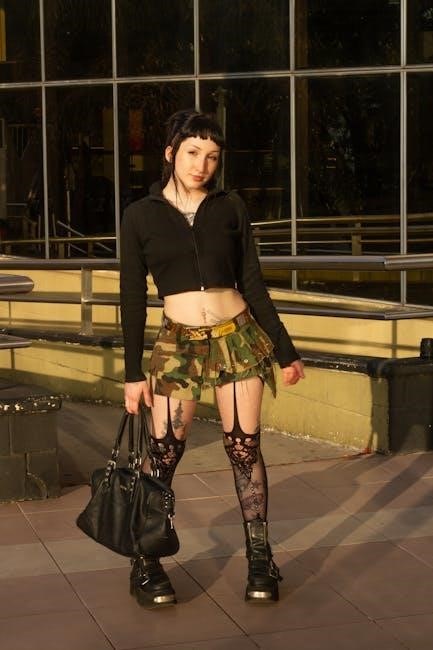
This guide unveils personalized style strategies, offering silhouettes and outfit ideas to celebrate your unique form. Discover how to dress confidently,
enhancing your natural beauty through informed fashion choices and expert styling techniques.
Outfit styling is a powerful form of self-expression, going beyond simply wearing clothes to curate a visual narrative. It’s about understanding how garments interact with your body shape, coloring, and personal aesthetic to create a harmonious and confident look.
Effective styling isn’t about following trends blindly; it’s about adapting them to suit you. This guide emphasizes recognizing your unique proportions and learning techniques to balance and enhance them. We’ll explore how to identify your body shape – whether it’s Hourglass, Rectangle, or Diamond – and then delve into specific outfit strategies tailored to each.
Ultimately, mastering outfit styling empowers you to feel comfortable and radiant in your own skin, projecting the image you desire with intention and flair. It’s a journey of self-discovery and creative exploration!
Understanding Body Shapes
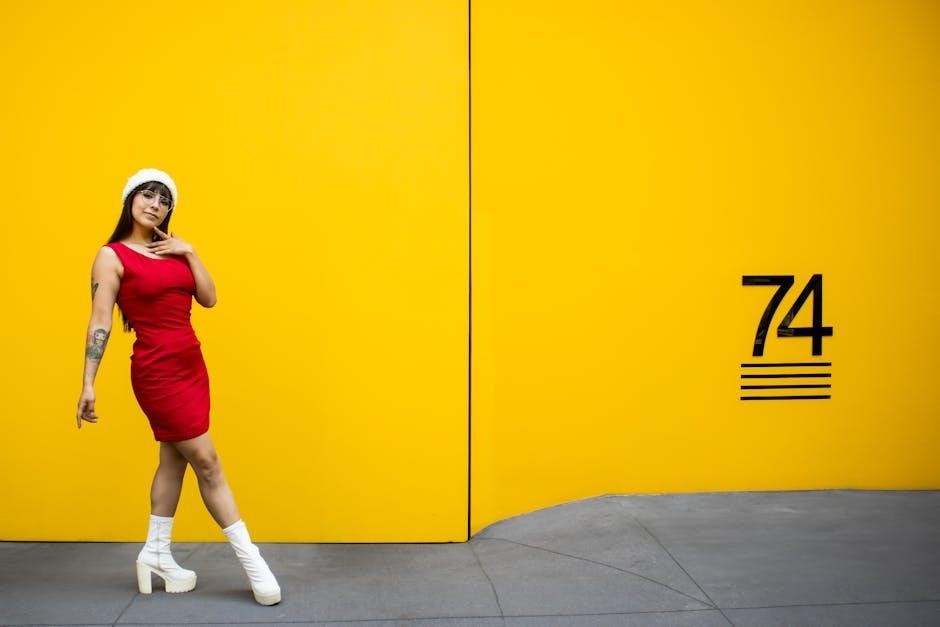
Identifying your body shape is the cornerstone of effective outfit styling. It allows you to select clothing that complements your natural proportions, creating a balanced and flattering silhouette. While variations exist, three primary body shapes form the foundation of this understanding: Hourglass, Rectangle (also known as Athletic), and Diamond.
The Hourglass shape is characterized by balanced shoulders and hips with a defined waist. The Rectangle shape features similar shoulder and hip measurements with minimal waist definition. Lastly, the Diamond shape typically has broader hips and a less defined waist, often with narrower shoulders.
Accurately determining your shape isn’t about striving for a specific ideal; it’s about recognizing your unique structure and learning to dress in a way that celebrates it. We’ll provide guidance on how to assess your measurements and confidently pinpoint your body type.
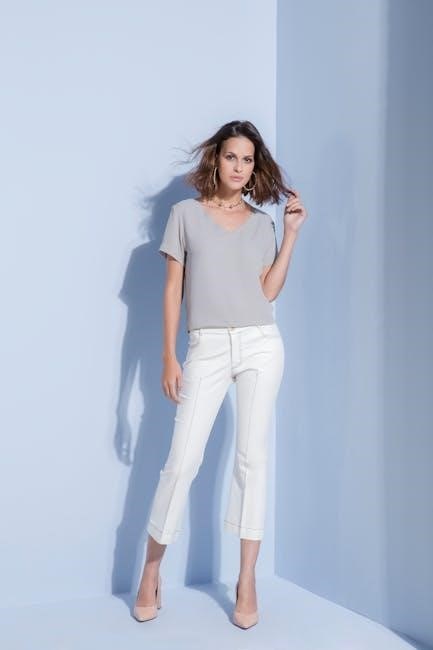
The Hourglass Body Shape
The Hourglass figure, defined by balanced shoulders and hips and a notably small waist, is often considered the most proportionally balanced. This shape thrives in clothing that accentuates its curves and maintains its natural definition. Styles that highlight the waistline are particularly flattering, preventing the body from appearing shapeless.
Corset-style tops and dresses are excellent choices, cinching the waist and emphasizing the bust and hips. Off-the-shoulder styles showcase the shoulders while drawing attention to the defined waist. Avoid boxy or overly loose garments that can obscure your natural curves.
Focus on creating a harmonious silhouette; clothing should follow your body’s natural lines rather than adding unnecessary volume. Remember, the goal is to celebrate your curves, not hide them!
The Rectangle (Athletic) Body Shape
Characterized by a straight silhouette, the Rectangle or Athletic body shape features similar measurements in the shoulders, waist, and hips. Often, individuals with this shape have a less defined waistline. The key to dressing this body type is creating the illusion of curves and adding definition where it’s naturally lacking.
Focus on adding volume to the hips and bust, while simultaneously defining the waist. A-line skirts and dresses can add fullness to the lower body, balancing the shoulders. Belts are your best friend – cinch them at the waist to create a more hourglass-like shape.
Avoid overly boxy or straight-cut clothing that can emphasize the lack of curves. Celebrities like Kate Hudson and Gweneth Paltrow exemplify this shape, demonstrating how strategic styling can create a stunning silhouette.
The Diamond Body Shape
The Diamond body shape is defined by broader shoulders and hips, with a narrower waistline. Weight tends to accumulate around the midsection, creating a fuller appearance in that area. Styling for this shape focuses on balancing proportions and drawing attention to your best features – often the shoulders and legs.
Embrace styles that add volume and interest to the upper body and lower body, while creating a more streamlined silhouette through the waist. A-line and empire-cut dresses are exceptionally flattering, as they skim over the midsection and accentuate the narrowest part of your torso.
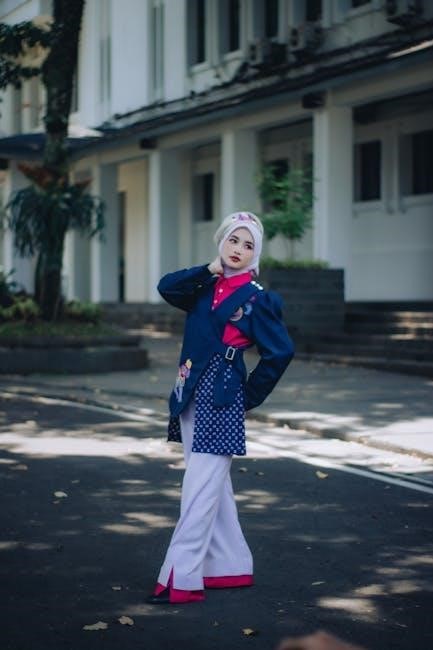
Details like beading, padding, or gathering at the chest can beautifully enhance the upper body. Avoid overly tight clothing around the midsection, opting instead for flowing fabrics and strategic draping.
Identifying Your Body Shape
Determining your body shape is the foundational step towards a more stylish and confident you. It’s about understanding your proportions, not focusing on a dress size. Stand in front of a full-length mirror in minimal clothing, and honestly assess your silhouette.

Consider these key areas: shoulders, bust, waist, and hips. Are your shoulders and hips roughly the same width? Do you have a clearly defined waist? Is your weight distributed evenly, or do you carry it primarily in your midsection?
Common body shapes include Hourglass, Rectangle (Athletic), Diamond, and Pear. Each shape benefits from different styling techniques. Don’t be discouraged if you don’t fit neatly into one category; many people are a combination of shapes. Accurate self-assessment unlocks a world of outfit possibilities!
Key Styling Principles
Mastering fundamental styling principles elevates any outfit, regardless of current trends. These guidelines ensure a flattering and harmonious look, enhancing your best features and creating visual balance.
Creating balance and proportion is crucial. Pair fitted tops with wider-leg pants, or voluminous tops with slimmer bottoms. Consider the visual weight of each garment and strive for equilibrium.
Highlighting your best features draws attention to your strengths. If you love your shoulders, opt for off-the-shoulder styles. A defined waist? Cinch it with a belt! Don’t shy away from showcasing what you adore about yourself.
Understanding color theory impacts outfit cohesion. Utilize complementary colors for a vibrant look, or monochromatic schemes for sophistication. Consider your skin tone when selecting hues.
Creating Balance and Proportion
Achieving visual harmony through balance and proportion is paramount in outfit styling. This principle ensures your silhouette appears well-coordinated and flattering, avoiding a top-heavy or bottom-heavy appearance.
Pairing volume is key. If you choose a voluminous top, balance it with slimmer bottoms like fitted jeans or a pencil skirt. Conversely, wide-leg trousers look best with a more streamlined top.
Consider the length of garments. A longer top often requires narrower bottoms, while shorter tops can handle more volume below the waist. Experiment with different lengths to find what suits your frame.
Pay attention to silhouette. A-line skirts balance broader shoulders, while structured jackets add definition to a softer physique. Utilize shapes to create a visually pleasing outline.
Highlighting Your Best Features
Effective styling centers around showcasing your favorite assets while subtly minimizing areas of concern. This isn’t about hiding, but rather drawing attention to what you love most about your body.
If you adore your shoulders, opt for off-the-shoulder tops or dresses that accentuate their shape. Love your legs? Show them off with skirts, shorts, or fitted trousers.
A defined waist is often a focal point. Utilize belts, wrap dresses, or fitted tops to emphasize this area. For a beautiful neckline, choose V-necks or scoop necks.
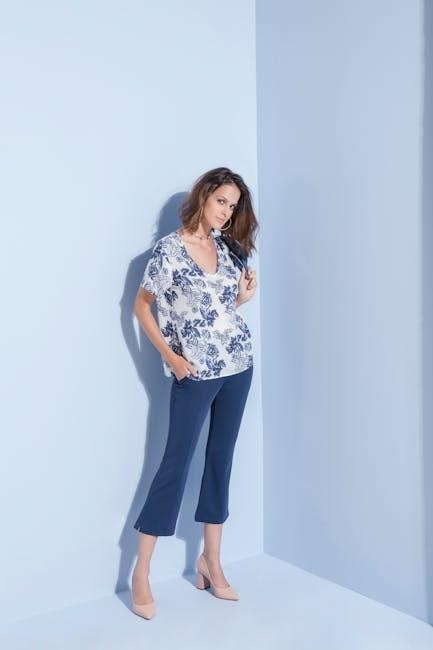
Color and texture can also play a role. Brighter colors and interesting textures draw the eye, while darker shades tend to recede. Strategically use these elements to highlight or downplay specific areas.
Understanding Color Theory in Outfits
Color profoundly impacts how an outfit is perceived and how it flatters your complexion and body shape. Mastering basic color theory unlocks a new level of styling sophistication.
Complementary colors (like blue and orange, or red and green) create a vibrant, eye-catching contrast. Analogous colors (those next to each other on the color wheel, like blue, blue-green, and green) offer a harmonious, soothing effect;
Monochromatic outfits – using different shades of a single color – are effortlessly chic and can be incredibly slimming. Neutral colors (black, white, gray, beige) serve as versatile foundations, allowing bolder colors to pop.
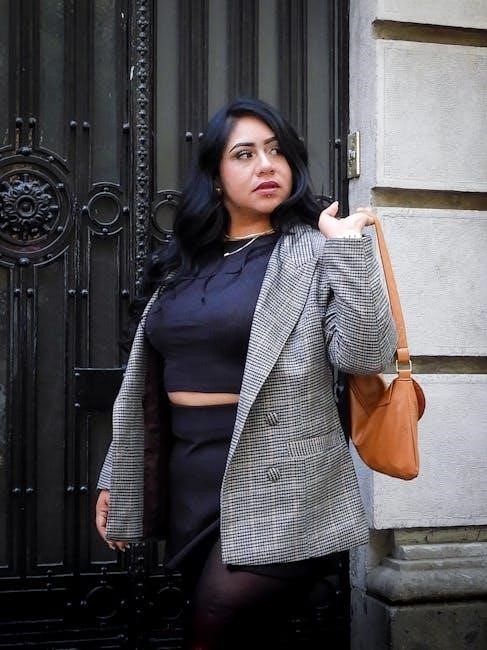
Consider your skin tone. Warm skin tones generally look best in earthy colors, while cool skin tones shine in blues and purples. Don’t be afraid to experiment and find what makes you feel confident!
Outfit Styles for Different Body Types
Understanding your body shape is crucial for selecting clothes that flatter your figure and boost your confidence. Each body type – Hourglass, Rectangle, and Diamond – benefits from specific styling techniques.
Hourglass figures thrive in outfits that accentuate their waist, like wrap dresses or belted tops paired with fitted bottoms. Rectangle shapes benefit from adding curves with strategic detailing, such as peplum tops or A-line skirts, and defining the waistline with belts.
Diamond shapes look stunning in styles that balance their proportions, like A-line dresses or empire-waist tops that draw attention upwards. The key is to create a harmonious silhouette, highlighting your best features and minimizing areas you prefer to downplay.
Remember, these are guidelines, not rules! Experiment and discover what makes you feel most comfortable and stylish.
Hourglass Figure Outfit Ideas
Hourglass figures are characterized by balanced shoulders and hips with a defined waist. The goal is to celebrate these curves, avoiding boxy or overly loose clothing that hides your shape.
Dresses are a fantastic choice, particularly wrap dresses, fit-and-flare styles, and belted sheaths. Corset-style tops beautifully accentuate the waist, while off-the-shoulder designs showcase your shoulders.
For tops and bottoms, pair fitted blouses with high-waisted skirts or tailored pants. Avoid oversized sweaters that conceal your waist. Instead, opt for fitted knits or wrap-style cardigans.
Belts are your best friend! Cinch your waist with a stylish belt to emphasize your curves. High-waisted jeans paired with a fitted top create a classic hourglass silhouette. Experiment with different fabrics and textures to add visual interest.
Dresses for Hourglass Shapes
Dresses are exceptionally flattering for hourglass figures, highlighting the balanced proportions and defined waist. Wrap dresses are a quintessential choice, cinching at the waist and creating a beautiful silhouette. Fit-and-flare dresses emphasize the waist while gracefully flowing over the hips.
Sheath dresses, especially when belted, showcase the natural curves without adding bulk. Bodycon dresses can be stunning, but ensure the fabric is supportive and not overly revealing. Avoid shapeless or boxy dresses that hide your figure.
Consider dresses with strategic cutouts or ruching to accentuate the waist. Empire waist dresses can work, but ensure they don’t add volume to the bust. Experiment with different necklines – sweetheart, V-neck, and scoop necks all complement the hourglass shape.
Tops and Bottoms Combinations
For hourglass figures, balancing the upper and lower body is key. Pair fitted tops with A-line skirts or wide-leg trousers to accentuate the waist and create a harmonious silhouette. High-waisted jeans or skirts are excellent choices, defining the waistline and showcasing curves.
Avoid overly baggy tops or bottoms that conceal your shape. Tops that cinch at the waist, like peplum tops, are incredibly flattering. Consider pairing a fitted blazer with a flowing skirt or trousers for a polished look. Experiment with tucking in your tops to emphasize your waist.
Balance is crucial; if wearing a voluminous bottom, opt for a more fitted top, and vice versa. Don’t shy away from showcasing your waist – it’s your best asset! Play with proportions to create visually appealing outfits.
Rectangle Figure Outfit Ideas
The goal for a rectangle body shape is to create the illusion of curves and define the waistline. Layering is your friend! Adding layers like jackets, cardigans, or vests can add dimension and shape. Focus on creating a waist, even if you don’t naturally have one.
Belts are essential – cinch them at your natural waist to instantly create a more defined silhouette. A-line skirts and dresses add volume to the lower body, balancing the straight shape; Ruffles, pleats, and embellishments can also add curves where needed.
Experiment with peplum tops or tops with detailing around the waist. Avoid boxy or overly structured clothing that emphasizes the straightness of your figure. Consider wrap dresses or tops, as they naturally cinch at the waist. Embrace color blocking to create visual interest and shape.
Adding Curves with Clothing
For the rectangle figure, strategically adding curves is key to a balanced silhouette. Ruching and draping are fantastic techniques, creating softness and the illusion of shape where it’s lacking. Look for garments with strategic gathering at the bust or hips to add volume. Peplum tops are incredibly effective, instantly creating a defined waistline.
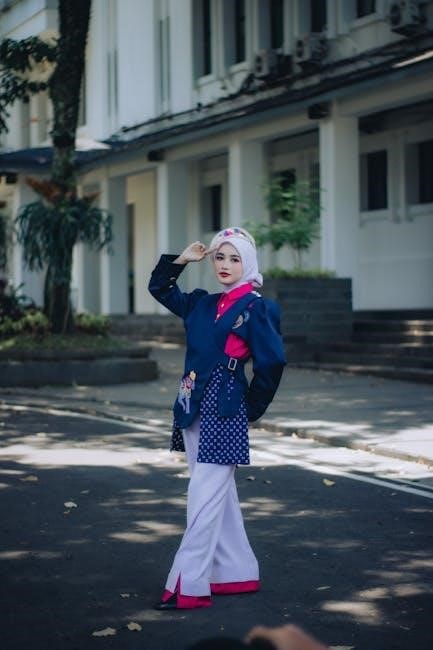
A-line skirts and dresses flare out from the waist, adding fullness to the lower body and balancing the straightness of the rectangle shape. Consider dresses with empire waists, which draw attention upwards and create a flowing silhouette. Details like pockets and embellishments placed on the hips can also add visual volume.
Experiment with textured fabrics like knits or those with subtle patterns to add dimension. Avoid overly boxy or shapeless clothing that will only accentuate the straight lines of your body. Layering with structured jackets can also help define your shape.
Defining the Waistline
Creating a waist is paramount for the rectangle body shape, as it naturally lacks a pronounced curve. Belts are your best friend! Cinch them at your natural waist – even over dresses and sweaters – to instantly sculpt a more defined silhouette. Wrap dresses and tops are also incredibly flattering, as they naturally create a waistline through their construction.
High-waisted bottoms, like skirts and pants, paired with tucked-in tops, visually elongate the legs and emphasize the waist. Look for garments with built-in waist definition, such as princess seams or strategically placed darts. Color blocking can also be used to create the illusion of a smaller waist; darker colors on the sides and a lighter color in the center draw the eye inward.
Avoid shapeless, oversized clothing that hides your figure. Structured jackets and blazers worn buttoned or belted can also help define your waistline and add shape.
Diamond Figure Outfit Ideas
Diamond body shapes thrive in outfits that balance broader shoulders and hips with a defined midsection. The goal is to create a harmonious silhouette, drawing attention upwards and adding volume where needed. A-line and empire cut dresses are exceptionally flattering, flowing gracefully over the hips and creating a more balanced proportion.
Focus on styles that add volume to the silhouette, such as dresses with detailing at the bust – beading, padding, or gathering – to broaden the shoulders. V-necklines also help to visually widen the upper body. Avoid overly tight clothing around the midsection, opting instead for styles that skim the body.
Structured shoulders, like those found in tailored jackets, can help balance wider hips; Experiment with bold accessories to draw the eye upwards, and remember that confidence is key to rocking any outfit!
A-Line and Empire Cut Dresses
For diamond body shapes, A-line and empire cut dresses are transformative, creating a beautifully balanced silhouette. These styles excel at skimming over the widest part of the body – typically the hips and stomach – while gently flaring outwards. An A-line dress, fitted at the shoulders and gradually widening towards the hem, adds shape without clinging.
Empire cut dresses, with their high waistline just below the bust, draw attention upwards and create a flowing, elongated look. This minimizes the waist and adds volume to the upper body, balancing the proportions. Look for dresses with interesting necklines, like a V-neck or scoop neck, to further enhance the upper body.
Consider fabrics that drape well, avoiding stiff materials that can add unwanted bulk. Pair these dresses with delicate jewelry and heels to complete the look, radiating elegance and confidence.
Adding Volume to the Silhouette
Diamond body shapes benefit from strategically adding volume to create a more balanced and proportional look. The goal is to visually broaden the shoulders and bust, drawing attention upwards and away from the midsection. Ruffles, embellishments, and padded shoulders are excellent choices for tops and dresses.
Consider tops with interesting necklines, such as boat necks or off-the-shoulder styles, to widen the upper body. Layering with cardigans or jackets can also add volume and structure. A-line skirts and dresses, as previously mentioned, contribute to overall balance by adding fullness below the waist.
Don’t shy away from prints and patterns on the upper body to create visual interest. Accessories like statement necklaces can further enhance the upper body, completing a harmonious and flattering silhouette.
Accessorizing Your Outfit
Accessories are the finishing touch, elevating your outfit from simple to stunning. They offer opportunities to express your personality and refine your silhouette. Belts are powerful tools for defining the waist, particularly beneficial for rectangle body shapes seeking to create curves. Experiment with different widths and styles to find what complements your look.
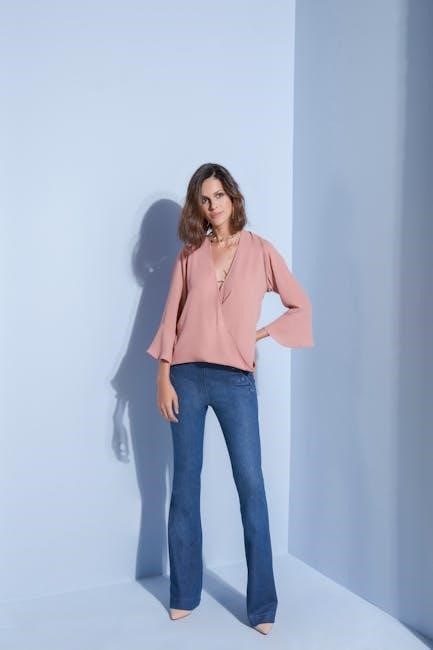
Scarves and pocket squares introduce color, texture, and visual interest. Use them as accents to draw attention to your face or add a pop of personality. Pocket squares, folded creatively, can showcase individual style. Shoes are crucial; they should complement both your outfit and your body type.
Heels can elongate the legs, while flats offer comfort and versatility. Consider the overall proportion – bolder shoes pair well with simpler outfits, while delicate shoes suit more elaborate ensembles.
Belts: Defining the Waist
Belts are transformative accessories, capable of reshaping your silhouette and adding polish to any outfit. For body types lacking a naturally defined waist – like the rectangle shape – belts are essential for creating the illusion of curves. A well-placed belt cinches the midsection, instantly adding definition and proportion.
Experiment with different belt widths; wider belts make a bolder statement and are ideal for defining a waist over looser garments. Thinner belts offer a more subtle effect, perfect for delicate fabrics or fitted dresses. Consider the buckle style; ornate buckles can become a focal point, while simpler buckles blend seamlessly.
Avoid belts that sit too high or too low, as they can disrupt the proportions. Bold belts should be used strategically, as they can sometimes overwhelm the figure.
Scarves and Pocket Squares as Accents
Scarves and pocket squares inject personality and visual interest into your ensemble, elevating a simple outfit to something truly stylish. These seemingly small accessories offer a fantastic opportunity to experiment with color, pattern, and texture, adding a touch of sophistication or playfulness.
Scarves can be draped, knotted, or tied in countless ways, offering versatility and adaptability. A brightly colored scarf can draw attention to your face, while a patterned scarf can complement or contrast with your clothing. Pocket squares, traditionally worn in suit jackets, add a refined touch and demonstrate attention to detail.
Work them into your outfit as accents, showcasing your individual style. Experiment with different folding techniques for pocket squares, creating various looks from classic to contemporary.
Shoes to Complement Your Outfit
Shoes are the foundation of any great outfit, capable of making or breaking a look. Selecting the right footwear isn’t just about style; it’s about proportion, comfort, and completing the overall aesthetic. Consider the occasion and the overall vibe of your outfit when choosing your shoes.
Heels can elongate the legs and add a touch of elegance, while flats offer comfort and versatility. Boots can be both stylish and practical, providing warmth and protection in colder weather. Sneakers are perfect for casual looks, adding a sporty and relaxed feel.
Ensure your shoes complement the colors and patterns of your clothing. Neutral shoes are a safe bet, pairing well with almost anything, but don’t be afraid to experiment with bolder colors and textures to make a statement.
Seasonal Outfit Guides
Adapting your wardrobe to the changing seasons is crucial for both style and comfort. Spring/Summer calls for lighter fabrics, brighter colors, and breezy silhouettes. Think flowy dresses, denim shorts, and breathable tops. Embrace floral prints and pastel shades to capture the essence of warmer days.
Fall/Winter demands layering and warmer materials. Invest in cozy sweaters, tailored coats, and durable boots. Darker colors like burgundy, navy, and olive green are perfect for the cooler months. Don’t shy away from textures like corduroy, velvet, and knitwear.
Accessories play a key role in seasonal transitions. Swap sandals for ankle boots, and lightweight scarves for chunky knit ones. Remember to prioritize functionality without sacrificing style.
Spring/Summer Outfit Ideas
Embrace vibrant colors and lightweight fabrics for effortless spring and summer style. A floral midi dress paired with delicate sandals is a classic choice, perfect for warm days. Consider a white linen shirt tucked into high-waisted denim shorts for a casual, chic look. Add a straw hat and sunglasses for sun protection and a touch of sophistication.
For warmer evenings, a flowy maxi dress in a bold print is ideal. Pair it with espadrille wedges and layered gold jewelry. Don’t forget a light denim jacket for cooler breezes. A simple tank top and skirt combination, in bright hues, offers versatility and comfort.
Accessorize with colorful scarves, woven bags, and statement sunglasses. Prioritize breathable materials like cotton, linen, and rayon.
Fall/Winter Outfit Ideas
Transition to cooler weather with layered looks and richer tones. A cozy knit sweater paired with dark-wash jeans and ankle boots is a fall staple. Add a trench coat or quilted jacket for extra warmth and style. For a more polished look, try a tailored blazer over a turtleneck and trousers.
Embrace winter textures like corduroy, velvet, and wool. A chunky knit cardigan layered over a slip dress with tights and boots is both comfortable and chic. Don’t forget a warm scarf, hat, and gloves to combat the cold. Consider a statement coat in a bold color or pattern.
Accessorize with leather gloves, beanies, and warm socks. Prioritize layering to adapt to changing temperatures.
Building a Capsule Wardrobe
A capsule wardrobe simplifies getting dressed and maximizes outfit potential. Start with neutral basics: a well-fitting blazer, classic trench coat, dark-wash jeans, black trousers, and a little black dress. Invest in quality pieces that will last for years. Add versatile tops like white button-downs, striped tees, and cashmere sweaters.
Choose a color palette that complements your skin tone and personal style. Focus on items that can be mixed and matched easily. Include essential shoes: ankle boots, classic pumps, and versatile sneakers. Don’t forget accessories like scarves, belts, and jewelry.
Regularly assess your wardrobe and remove items you no longer wear. A curated closet reduces decision fatigue and promotes a more sustainable approach to fashion.